Writing

Essays

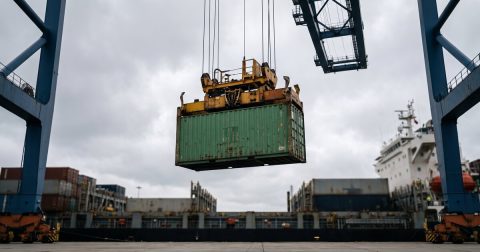
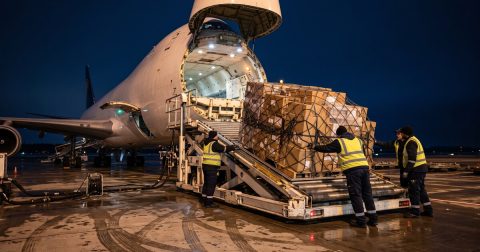
Going digital in freight forwarding: where we started and why

A case study. Many traditional freight forwarders still run on manual steps, and it costs them time, money and customers. How the first bottleneck was found, and how payment approvals went online as the first step in going digital.

Seven numbers your profit and loss account will never show you

The whole series in one practical close. Seven measures that make the funding gap visible, none of which appear on a profit and loss account, and the single afternoon exercise that changes the conversation with a managing director.

The cheapest truck is not the cheapest truck

Stop trying to buy payment terms from hauliers, because you are asking the weaker balance sheet to carry the stronger one. What a haulier is really optimising, why readiness buys more loyalty than rate, and why a haulage quote should be priced against the demurrage meter rather than against the other quote.

What to do when you have no leverage at all

Most cash flow advice is written for a company that can walk away. This is the version for one that cannot: why a very large buyer is a duration problem rather than a credit risk, the blanket purchase order, claiming reimbursables early, and borrowing against their name instead of yours.

Why your best year is the one that kills you

Overtrading is the failure that only happens to companies doing well. Your profit grows with your margin, your cash need grows with your volume, and the volume number is thirty times larger. The four stages of the slide, in the order they arrive.

Five clocks, and nobody set them to the same time

You do not have one payment term, you have five, they belong to five different people, and only one of them is written anywhere in your paperwork. Why the gap between them was never designed by anybody, and which of the five will actually move.

Your freight company is a bank, and nobody told you

A forwarder can have its best year ever and still fail to make payroll, and nothing has to go wrong for it to happen. The two kinds of money on every freight invoice, why you front about thirty naira for every one you earn, and why the gap belongs to no department.